ServicesEquipment Sales
Loading Dock Equipment Sales in Bethlehem
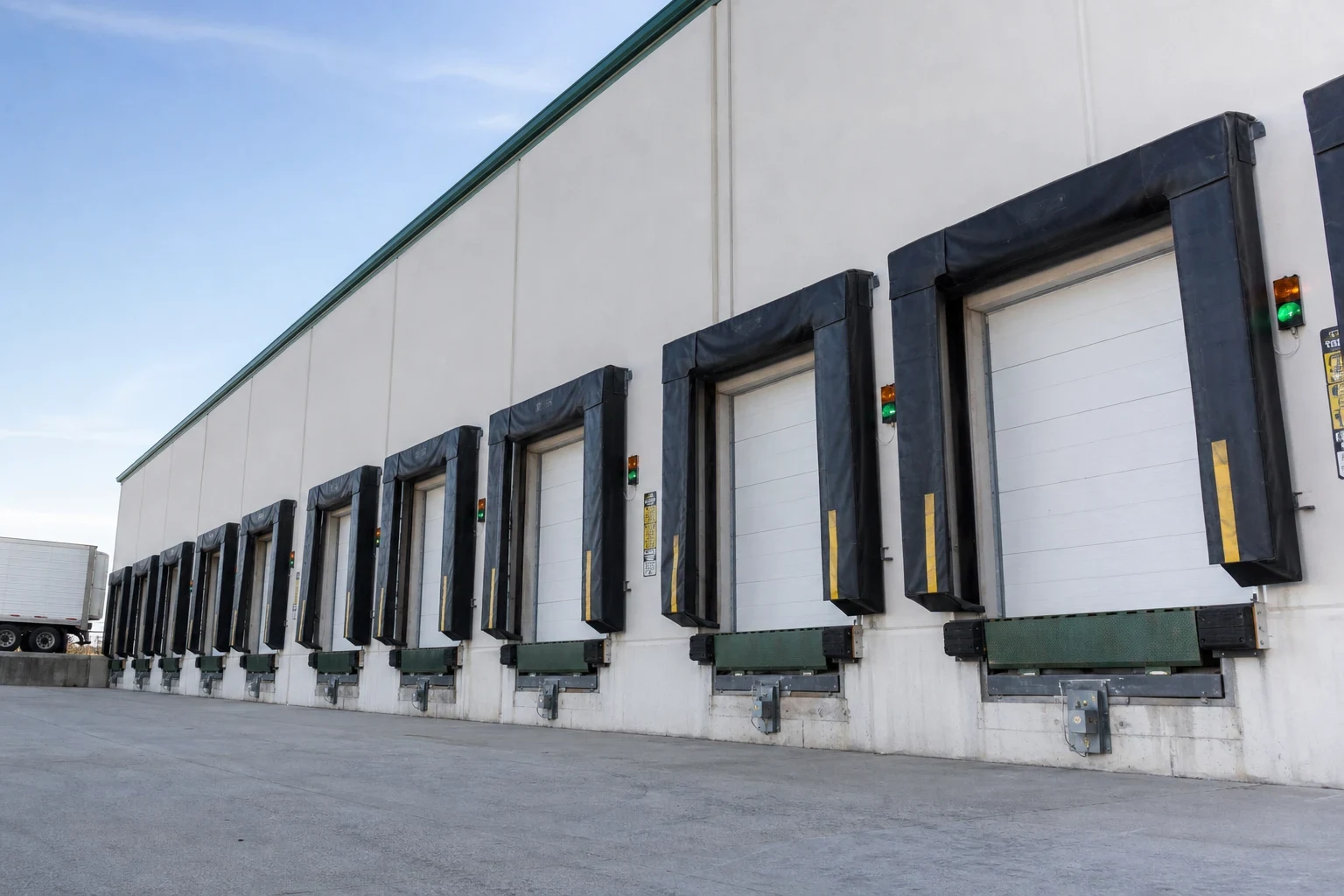
We help facilities pick dock levelers, vehicle restraints, overhead doors, high speed doors and rolling grilles that fit the trucks you actually receive. You get measured specs and a written line-item quote, so the purchase can go into next year's budget instead of a rushed order.
Buying the Right Equipment Before the Old Unit Quits
Most dock equipment gets replaced in a hurry. A leveler's hydraulic cylinder starts leaking or a door panel folds after a forklift strike, and someone orders whatever ships fastest. That unit may not match your trailer mix, your pit or your weight loads, and you live with the mismatch for the next fifteen years.
We work the other way. We look at what you have now, how worn it is and what is coming through your doors. Then we help you rank replacements by condition and risk, so you can spread the cost across budget cycles and order ahead of lead times.
Every recommendation comes with the reason behind it. If a capacity rating, lip length or door construction matters for your operation, we explain why in plain terms.
What Our Equipment Sales Work Covers
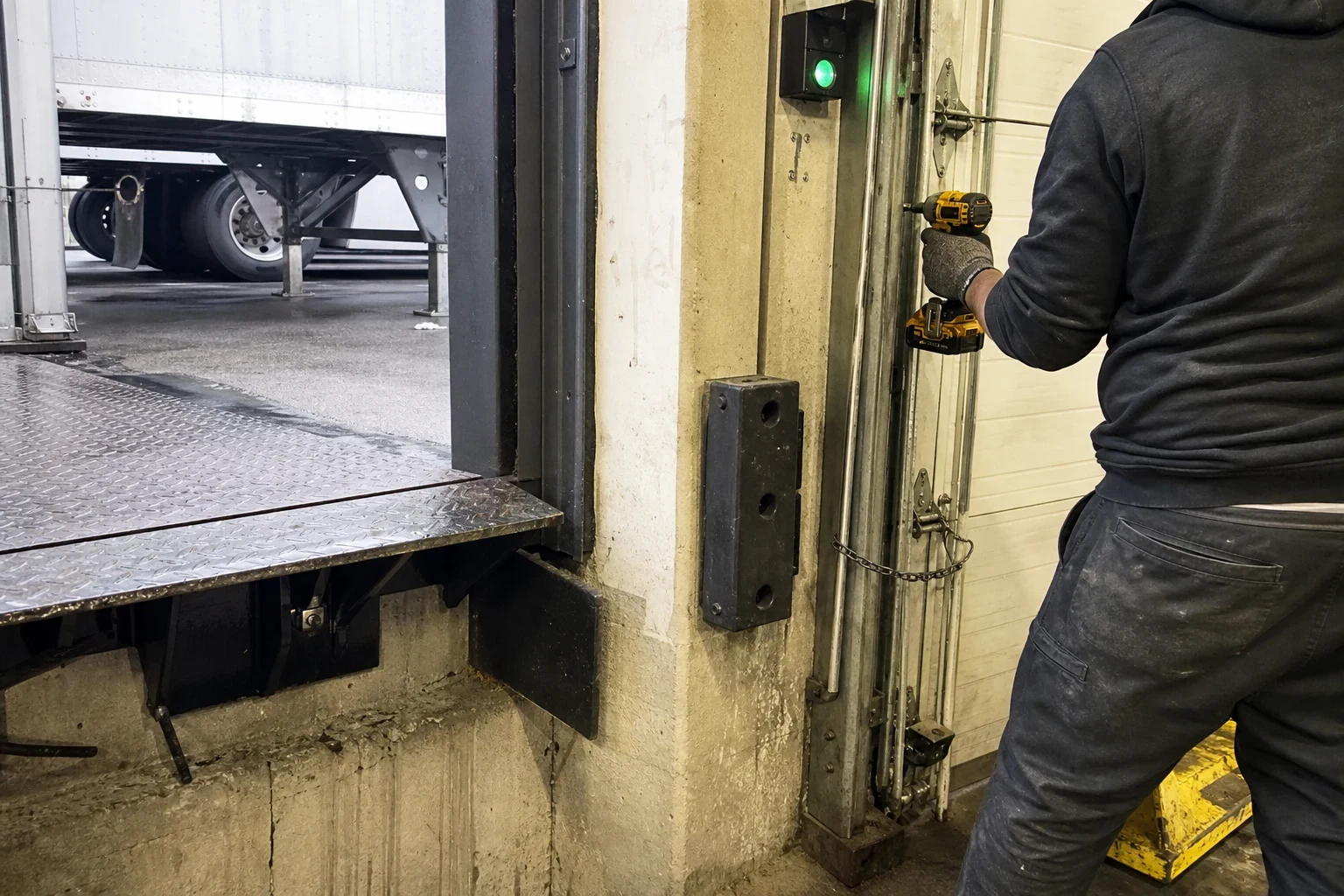
- Site survey and measurements
- We measure pit width, length and depth, dock height above the approach and door openings. We also note the condition of the curb angle and pit floor, since a cracked pit can change what fits.
- Dock leveler selection
- We compare hydraulic, mechanical and air-powered levelers for your traffic. Capacity is sized to your heaviest loaded forklift and its travel speed, not just the weight of the pallet, and lip length is matched to how far your trailers sit from the bumpers.
- Vehicle restraint options
- We explain the difference between rotating-hook restraints that engage the trailer's rear impact guard and wheel-based restraints that work when the guard is missing or damaged. We also look at how restraint signals tie into your door and leveler controls.
- Overhead, high speed and grille doors
- Insulated sectional steel doors, fabric high speed doors and rolling grilles each solve a different problem. We match door type to cycle counts, temperature control needs and security, including wind load for wide openings.
- Written line-item quote
- Each unit, its options, removal of old equipment and any pit or electrical work are listed separately. That makes it easy to approve the urgent items now and schedule the rest.
Signs It Is Time to Price Out New Equipment
Repairs keep repeating
When the same leveler needs a new cylinder, hinge pins and lip keeper bar inside a year or two, the frame is often fatigued. Repair spend starts to approach the cost of a new unit.
Your trailer mix has changed
Air-ride trailers, reefers and lower-deck vans sit at different heights. If drivers struggle to service them, the leveler's working range or lip length may no longer fit.
Heavier forklifts or new loads
Switching to larger electric forklifts or heavier product can exceed a leveler's original rating. Overloading cracks deck welds and bends lip hinges over time.
Doors that cannot keep up
A manual sectional door at a busy opening wears springs and cables quickly and lets out heat every cycle. That is often the point where a high speed door or a new insulated door pays back.
No restraints on your docks
Trailer creep and early pull-aways are real safety exposures at docks without restraints. Adding them is a common planned upgrade for compliance and insurance reviews.
How a Purchase Moves From First Call to Delivery
- 1
Phone conversation
You tell us which docks or doors are on your mind, what you receive and your timeline. We set a time to walk the dock that does not interrupt your busiest receiving hours.
- 2
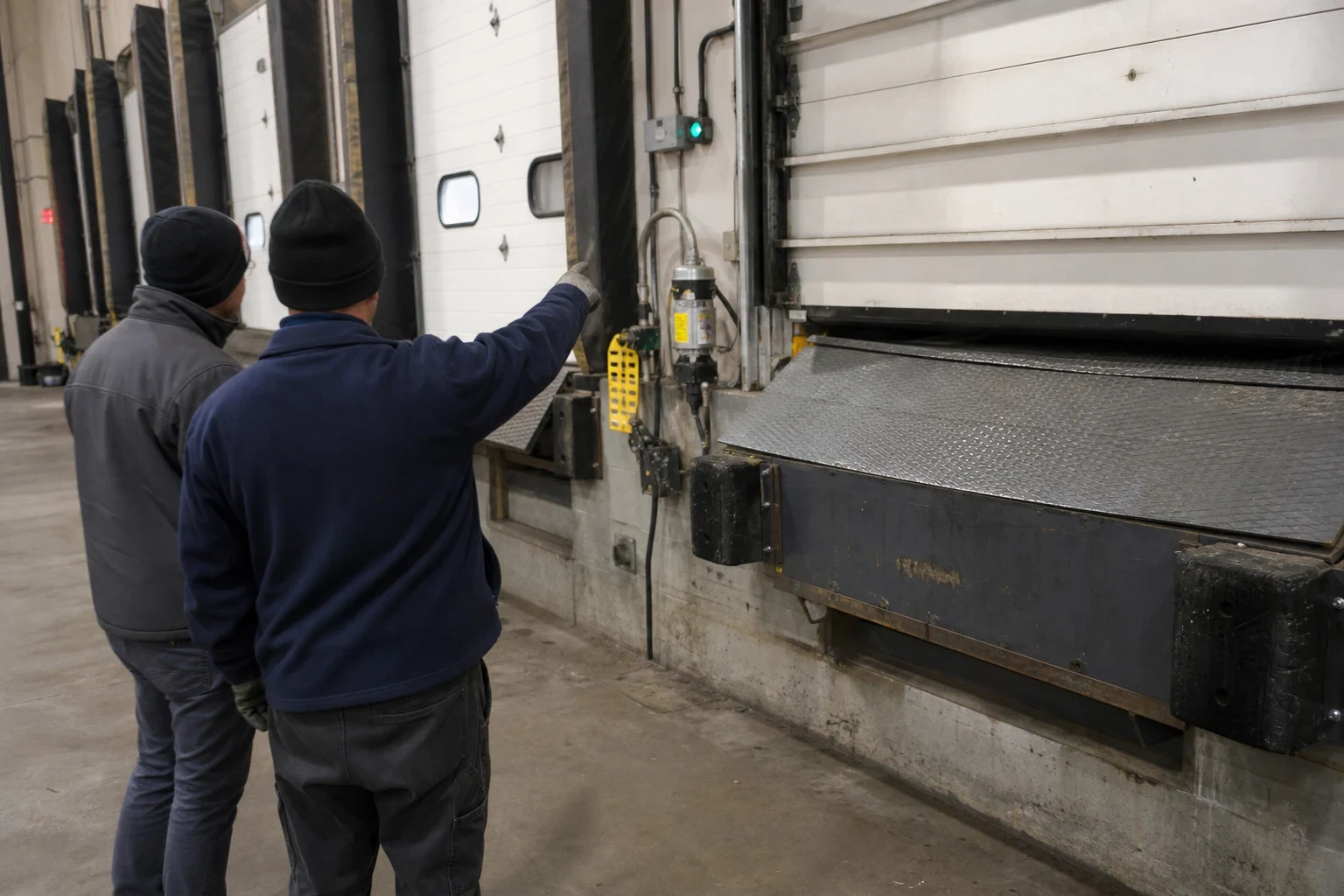
Walkthrough and condition notes
We measure, photograph and record the condition of each position. You see what we saw and which units are near the end of their service life.
- 3
Options and written quote
We lay out one or two sensible choices per position with the reasons for each. The quote separates equipment, removal and site work so you can phase it.
- 4
Ordering and scheduling
Once you approve, we order and confirm lead times. We plan the swap around your shipping calendar, and our Loading Dock Equipment Installation crew handles the changeover when the equipment arrives.
What Drives the Price of New Dock Equipment
Two levelers that seem identical can end up at very different prices after capacity, power type and site conditions are factored in. Each of these appears as its own line on our quote, so nothing gets added later. Knowing them up front helps you set a capital budget you can actually hit.
- Rated capacity and build
- A higher capacity rating calls for thicker deck plate and heavier structural beams. Getting the size right keeps you from buying capacity you will not use, or not enough of it.
- Power type and controls
- A hydraulic leveler has a higher upfront price than a mechanical one, but there are fewer springs to keep adjusted. Linking restraints, levelers and doors with interlocks means more control hardware and wiring.
- State of the pit and opening
- A spalled pit floor, a damaged curb angle or a door jamb that is out of square has to get concrete or steel work before new equipment goes in.
- Door dimensions and insulation
- Opening size, insulation value, windows and wind load rating all shift what a door costs. Heat lost through a busy door in cold months belongs in the comparison too.
- How many and when
- Ordering several positions at once often makes freight and scheduling simpler. Buying before a unit breaks means no rush shipping and no stopgap repair.
Equipment Sales Questions
Something not covered here? (610) 831-3834
Should we repair our old leveler or buy a new one?
It depends on the frame and the repair history. If the deck and structure are sound, a cylinder or lip repair is usually the better value. If welds are cracking and repairs keep stacking up, we will tell you replacement makes more sense and show you why with photos.
How long does new equipment take to arrive?
Lead times vary by manufacturer, model and options, and they can stretch during busy seasons. We confirm the current lead time when you approve the quote. That is one reason we encourage planning purchases a few months ahead.
Can new equipment fit our existing pits and openings?
Often, yes. We measure each pit and opening before recommending anything. When a pit is a nonstandard size, we either specify a unit built for it or explain what pit modification would be needed.
Do you also install what you sell?
Yes. Our Loading Dock Equipment Installation service handles removal of old units, setting and welding new equipment and testing it before your crew uses it. After that, Loading Dock Preventative Maintenance keeps it adjusted.
Can we phase purchases over more than one budget year?
Yes, and many facilities do. We rank each position by condition and safety risk, so you can replace the worst docks first and plan the rest for later cycles.
Start Planning Your Next Dock Upgrade
Tell us which positions worry you and what you receive. We will walk the dock, measure, and give you a written quote you can budget around.